
Planning Washer and Dryer Delivery Up Stairs or Through Tight Turns
For washer and dryer delivery up stairs, send the crew the clear widths of openings, landing dimensions, and photos of both approaches to each sharp turn. Include railings and low ceilings in the pictures. Ask the delivery provider to confirm the route using the exact machines’ dimensions before you book.
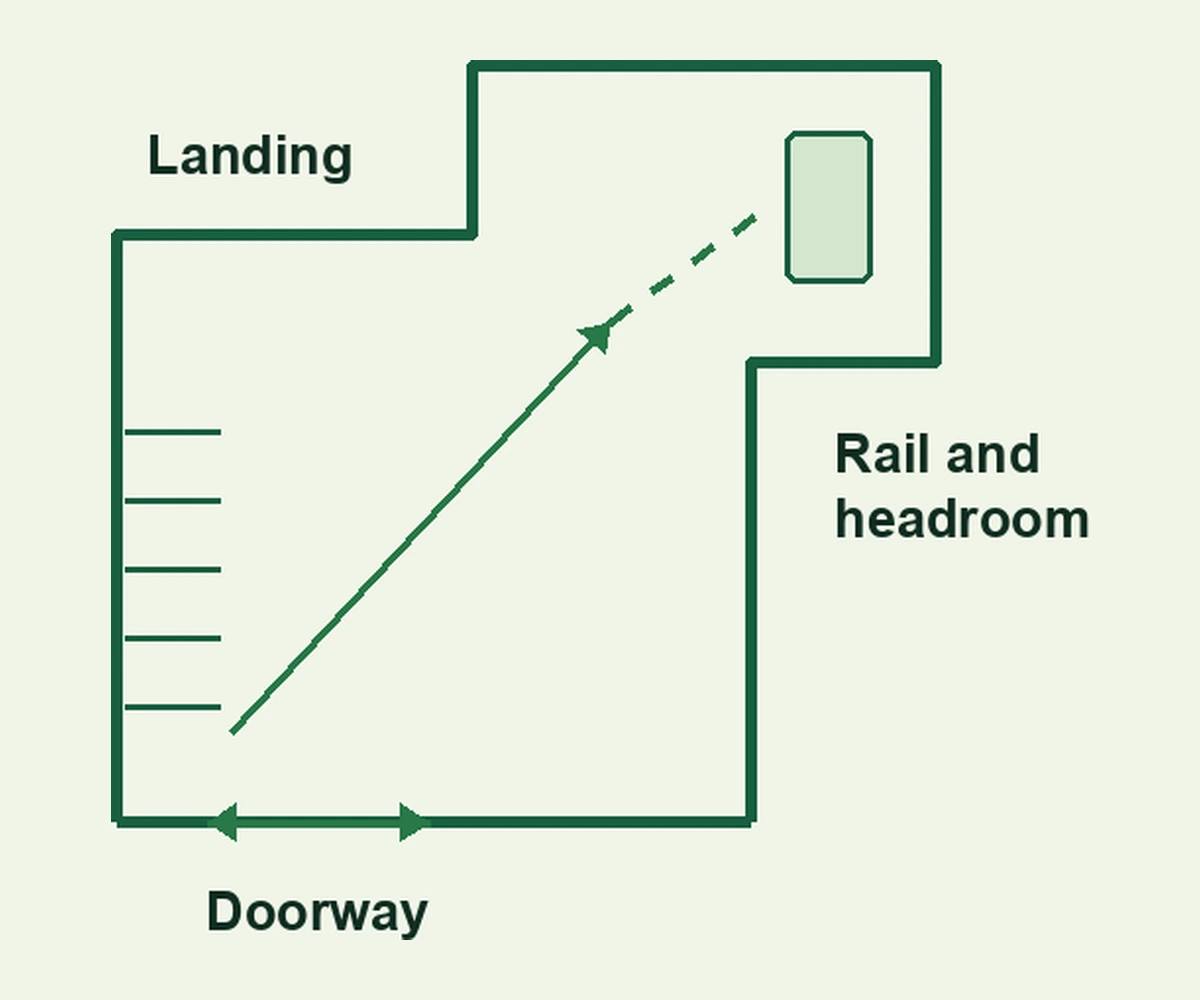
| Check | What to verify |
|---|---|
Straight run | Note stairs and railings |
Landing | Capture both approach angles |
Tight turn | Send measurements in advance |
Understanding Delivery Route Geometry
The path from your door to the laundry area can make or break delivery success. For washer dryer delivery stairs, focus on the full route, not just the final room. Delivery crews need enough space to move, turn, and carry each machine safely.
Start by walking the entire path. Note every change in direction, step, or narrowing. Measure the width and height of each segment: entryway, hallway, staircase, landing, and the laundry space itself. Watch for spots where the ceiling gets lower, a wall juts out, or a railing intrudes. Even a small bump-out or trim can affect the fit.
A common surprise is a stair landing with a sharp turn. For example, an L-shaped staircase may have a landing that’s too small to allow a washer or dryer to pivot. Measure the landing’s width and depth. If the landing is tight, the delivery may need to “stand” the appliance upright or angle it carefully. Some machines are too tall to turn upright under a low ceiling or light fixture.
Do not guess. Bring a tape measure and write down every number. If your home has more than one possible route, measure each option. Sometimes, a back or garage door offers an easier path than the front entry.
Stairs, Landings, and Tight Turns
Stairs pose the biggest challenge for washer dryer delivery stairs. Each step must support the weight of a large appliance and the delivery team. Older homes in Kansas City may have narrow treads, steep rises, or tight turns that complicate things.
Measuring Stairs and Landings
Measure the width of the narrowest step. Even if the entry is wide, a bottleneck on the stairs can block delivery. Standard washers and dryers vary in size, so confirm your machine’s dimensions with Robust Rentals before delivery day. Allow extra space for hands, straps, and padding.
At each landing, measure both the usable width and depth. A rectangular landing may seem large, but the way the stairs approach it can create a pinch point. For example, a stair that turns 90 degrees at a landing may require the appliance to rotate in a tight space. If the landing ceiling is low or a window ledge sticks out, note those obstacles.
Example Split-Level Entry
A Kansas City split-level home has a short flight of stairs from the front door to the main living area. The landing is only 36 inches deep before a right turn up another short set of stairs. The homeowner measures and finds the landing is just big enough for a washer to stand upright, but the dryer must be angled and may not clear the ceiling. In this case, the homeowner asks Robust to confirm if the machines can be delivered and installed safely. The delivery crew reviews the measurements, checks the machine heights, and brings extra help for the turn.
If a landing is too small, delivery may not be possible without removing doors or railings, which Robust does not do as standard. If you suspect a problem, send photos and measurements to Robust before scheduling.
Quirks and Hidden Obstacles
Every route has quirks. Common obstacles include:
- Low ceilings or overhangs at the top or bottom of stairs
- Decorative railings, columns, or trim that stick out
- Doors that do not open fully because of carpeting, floor transitions, or nearby walls
- Tight corners in hallways or at the laundry room entrance
- Fixed furniture or storage that can’t be moved
Before delivery, clear the route as much as possible. Remove rugs, small tables, or anything else that could snag a dolly or the appliance. If a door only opens partway, measure the usable opening, not the full frame.
No-Lift Instructions
Robust Rentals does not require renters to lift or move appliances themselves. Delivery crews handle standard carrying, but you must provide a clear, accessible path. Do not attempt to lift washers or dryers up stairs on your own for safety reasons. If the route is too tight for safe delivery, discuss options with Robust before your scheduled date.
Hidden Quirk Example
A two-story apartment in Midtown Kansas City has a narrow hallway leading to a laundry closet. The hallway is 34 inches wide, but a built-in bookshelf reduces the usable width to 30 inches near the closet. The closet door only opens 80 degrees because of the hallway wall. The renter measures the door opening at 27 inches, then contacts Robust to confirm if a standard washer and dryer will fit. The delivery team reviews the route and requests additional photos. They find that a single machine may fit with the door removed, but a stacked set would not clear the hallway bend.
In this case, the renter chooses to rent individual machines for side-by-side use instead of a stack.
Stacked Units, Elevators, and Other Special Cases
Washer dryer delivery stairs can be more complicated with stacked units or when an elevator is involved. If you are considering a tall stack, measure the vertical clearance along the entire route, not just at the destination.
Tall Stack Considerations
Stacked machines are taller and may need to be tipped during transport. This can be a problem on stair landings with low ceilings or light fixtures. If a landing is too low, the stack may need to be separated and reassembled in place, ask Robust Rentals if your chosen models allow this.
Stacked units also require enough clearance to stand upright in the laundry area. Measure from floor to ceiling, and consider any overhead cabinets, shelves, or pipes. If your laundry closet is small, measure the door opening and the space inside with the door fully open.
Elevator Cross-Reference
If your building has an elevator, check its interior dimensions and door opening. Measure the height, width, and depth, and compare to the appliance size. Some elevators have a raised threshold or a narrow entry that can catch wheels or corners. Provide these measurements to Robust Rentals when scheduling. If the elevator is too small, stairs may be the only option.
Elevators can make delivery easier, but only if the path from the elevator to your unit is clear. Measure any hallways or turns between the elevator and your door.
Step-by-Step Delivery Route Checklist
Use this checklist to prepare for washer dryer delivery stairs, tight turns, or other route quirks:
- Walk the route from entry to laundry area, noting every change in direction or level.
- Measure each segment:
- Entry door width and height
- Hallway width (narrowest point)
- Stair width (each step)
- Landing width and depth
- Ceiling height at stairs and landings
- Laundry room or closet opening
- Identify obstacles:
- Low ceilings, overhangs, or fixtures
- Railings or columns
- Doors that do not open fully
- Fixed furniture or shelving
- Clear the path:
- Remove rugs, small tables, or other movable items
- Open all doors fully (remove if possible and needed)
- Take photos of tight spots, landings, and corners for reference.
- Contact Robust Rentals with your measurements and photos if you have any doubts.
If you live in an apartment building, add these steps:
- Check elevator size and accessibility.
- Confirm with building management about moving times or restrictions.
Illustrative Example Planning a Delivery in a Kansas City Duplex
A renter in a Westport duplex wants to upgrade to a side-by-side washer and dryer from Robust Rentals. The laundry area is in the basement, accessed by a straight staircase with a 32-inch-wide opening and a 7-foot-high ceiling. At the bottom, there’s a small landing before a 90-degree turn into a utility room.
The renter measures the entry, staircase, landing, and utility room door. The narrowest point is the bottom landing, which is 34 inches deep and 36 inches wide. The utility room door is 29 inches wide. The renter takes photos and sends all details to Robust.
Robust Rentals reviews the measurements and notes that the machines selected for rental are likely to fit, but advises the renter to remove a door and temporarily move a storage shelf near the landing. The delivery team brings extra padding to protect the walls and confirms that no special lifting is required from the renter.
This example shows the importance of measuring every segment, not just the laundry room. If the landing or door had been smaller, the delivery might have required a different machine or route.
When to Reconsider or Request Help
If your measurements show a route that’s too tight for a washer or dryer, do not risk a failed delivery or property damage. Ask Robust Rentals about machine options, or if a professional installer or building staff can help remove doors or railings temporarily.
If you are unsure, send all measurements and photos to Robust before you finalize your order. This will help avoid delays, rescheduling, or extra charges. Written quotes from Robust can clarify fees or special handling.
Continue to part two for more on delivery day prep, what to expect from the crew, and how to handle hookups and service if your route is complex.
What to Expect on Delivery Day
When your washer and dryer delivery stairs route is approved and scheduled, it’s time to prepare for the delivery team’s arrival. Robust Rentals’ crew will arrive with tools and experience, but you are responsible for having the path fully cleared and the space ready to receive the machines. Expect a delivery window, not an exact time, and allow extra time for complex routes with stairs or landings.
If you live in a Kansas City duplex, townhome, or older apartment with stairs, the crew may need to pause and assess the geometry in person before moving the appliances. Delivery teams are trained to avoid lifting machines over railings or carrying them up more than a few steps without proper equipment. They will use dollies, straps, and sometimes stair-climbing carts, but only when it is safe and permitted by building rules.
For routes with tight corners, the crew may remove doors or handrails temporarily, but only if this was discussed in advance. If the route proves impassable, the team will document the issue and review next steps with you. Delivery may be rescheduled or canceled if the stairs or landings are unsafe or cannot accommodate the machines.
Navigating Historic or Unusual Stairs
Kansas City’s historic neighborhoods feature many homes with narrow, steep, or winding staircases. These can complicate washer dryer delivery stairs routes in ways that standard apartment stairs do not.
Spiral and Winder Stairs
Spiral and winder stairs (those that curve or have pie-shaped treads) are common in older homes and some modern lofts. These stairs can prevent a standard dolly from maneuvering, and the inside curve may be too tight for a washer or dryer to clear without tilting dangerously. The team may try to lift the machine vertically or tip it on its side, but only if the risk of damage is low and the machine fits through all turns.
If your only access to the laundry area is via a spiral or winder staircase, confirm measurements with Robust before scheduling. A photo of the tightest turn and measurements of tread width and headroom will help the team prepare. In some cases, these stairs may make delivery impossible without significant changes to the home.
Narrow Rowhouse or Duplex Stairs
Rowhouses and duplexes often have stairs that are barely wider than the appliances themselves. This leaves little room for hands or equipment on either side. Stairs that are less than a few inches wider than the appliance’s depth may require the machine to be carried upright or on its side, increasing risk. Banisters, newel posts, or low ceilings at landings can further complicate the path.
For these routes, measure every part of the stairwell, including ceiling height at landings and the width between handrails. Remove any decorative trim or temporary barriers in advance. Be prepared for the delivery team to request extra time or assistance, or to decline delivery if the route is too risky.
Basement Laundry in Raised Ranches
Many Kansas City homes have laundry hookups in a basement reached by a steep, narrow stairwell. These stairs may have low headroom, exposed pipes, or tight doorways at the bottom.
If your washer dryer delivery stairs route includes a basement, check for any pipes, ductwork, or lighting fixtures that could snag or block the appliance. Ensure the landing at the bottom is large enough to maneuver the machine into position. Some basements have “dogleg” turns at the bottom of the stairs. measure the width and length of the landing carefully.
If you have a tall stack washer-dryer, see the cross-reference section for tips on vertical clearance and stair maneuvering.
Worksheet: Mapping a Complex Delivery Route
Use this step-by-step worksheet to document your delivery path for washer dryer delivery up stairs or through tight turns. This will help Robust Rentals confirm whether delivery is feasible and prepare for any quirks.
- Start at the Curb or Building Entrance
- Measure the width and height of the main entry door.
- Note any steps, thresholds, or security doors.
- Hallways and Turns
- Record the width and height at the narrowest point of each hallway.
- Mark any 90-degree or sharper turns, with photos if possible.
- Stair Details
- For each flight, list:
- Number of steps.
- Tread depth and riser height.
- Total width between walls or handrails.
- Presence and height of any handrails or newel posts.
- Landing size and shape at top and bottom.
- Landings and Quirks
- Measure any landings for length, width, and headroom.
- Note obstructions: doors that open onto the landing, low ceilings, pipes, or light fixtures.
- Final Laundry Area
- Confirm there is enough space to maneuver the machine off the dolly.
- Check that hookups are compatible (see your written terms for details).
- Photos
- Take clear photos of each tricky spot: narrow stairs, landings, tight turns, and the laundry area.
Provide this worksheet to Robust Rentals with your inquiry for the fastest feedback and to minimize rescheduling.
Split-Level Home With a Half-Landing
Imagine a Kansas City split-level home where the laundry area is just past a half-flight of stairs from the main entry. The route includes:
- A 36-inch wide front door with a 1-inch raised threshold.
- A 6-foot hallway leading to a half-landing with a right-angle turn.
- Five steps up to the landing, 36 inches wide, with a 42-inch ceiling above.
- A 90-degree turn onto a 36×36-inch landing.
- Three steps down into the laundry area, with a 36-inch wide stair and no handrail.
Potential challenges and solutions:
- The landing is just large enough for a standard washer or dryer to pivot, but headroom is tight. The team may need to tilt the appliance at an angle to clear the ceiling.
- The right-angle turn requires the machine to be lifted slightly to avoid scraping the wall.
- The threshold at the entry could snag the dolly wheels. the crew will use a ramp if needed.
- With no handrail on the final steps, extra care is required to prevent slipping.
This scenario underscores the importance of measuring every turn and vertical clearance, not just the doorways. Even small quirks can complicate a seemingly simple washer dryer delivery stairs route.
Real-World FAQ
What if the washer or dryer won’t fit through my stairway or landing?
If the delivery team determines that the appliance cannot fit safely through your stairs, turns, or landings, they will not force it. You may be able to swap for a different model (if available) or cancel the delivery. Confirm your options with Robust Rentals before delivery day. Always provide accurate measurements and photos to avoid last-minute surprises.
Can the delivery team remove doors, railings, or other obstacles?
Delivery crews may remove doors from their hinges or temporarily detach simple barriers if this is discussed in advance and does not require tools beyond a screwdriver. They will not modify structural elements, remove banisters, or alter walls. If more significant changes are needed, arrange for a contractor or maintenance professional before delivery.
What if I live in a walk-up apartment with no elevator?
Walk-up deliveries are possible, but only within safe handling limits. The delivery team will use dollies and straps, but will not “shoulder-carry” heavy machines up multiple flights. If your building restricts appliance deliveries or has narrow stairs, double-check all measurements and building policies. See the cross-reference for elevator guidance if you have one.
Is there an extra charge for stairs or difficult delivery routes?
Robust Rentals may charge extra for complex deliveries, such as those involving multiple flights of stairs or tight turns. The actual amount due will be detailed in your written quote and checkout terms. Always request a written estimate for your specific address and route.
Can I help the delivery team carry the appliance up stairs?
For safety and liability reasons, customers are not expected or allowed to help carry appliances up stairs. The delivery crew is trained and insured to handle the job. Focus on clearing the path and providing accurate route information.
Request a Route Review With Photos
Before scheduling washer dryer delivery stairs service, gather your measurements and photos using the worksheet above. Send them to Robust Rentals with your address and any known quirks (such as spiral stairs or tight landings). This allows the team to assess your route in advance, confirm model compatibility, and provide a written quote with all terms and any delivery fees. Taking these steps now will save time and ensure a smooth, safe installation in your Kansas City home or apartment.
Rental options and related guides
See current washer and dryer rental options
Measure the laundry closet and delivery route · Check apartment washer and dryer hookups