
Does an Apartment Washer Need a Drain Pan?
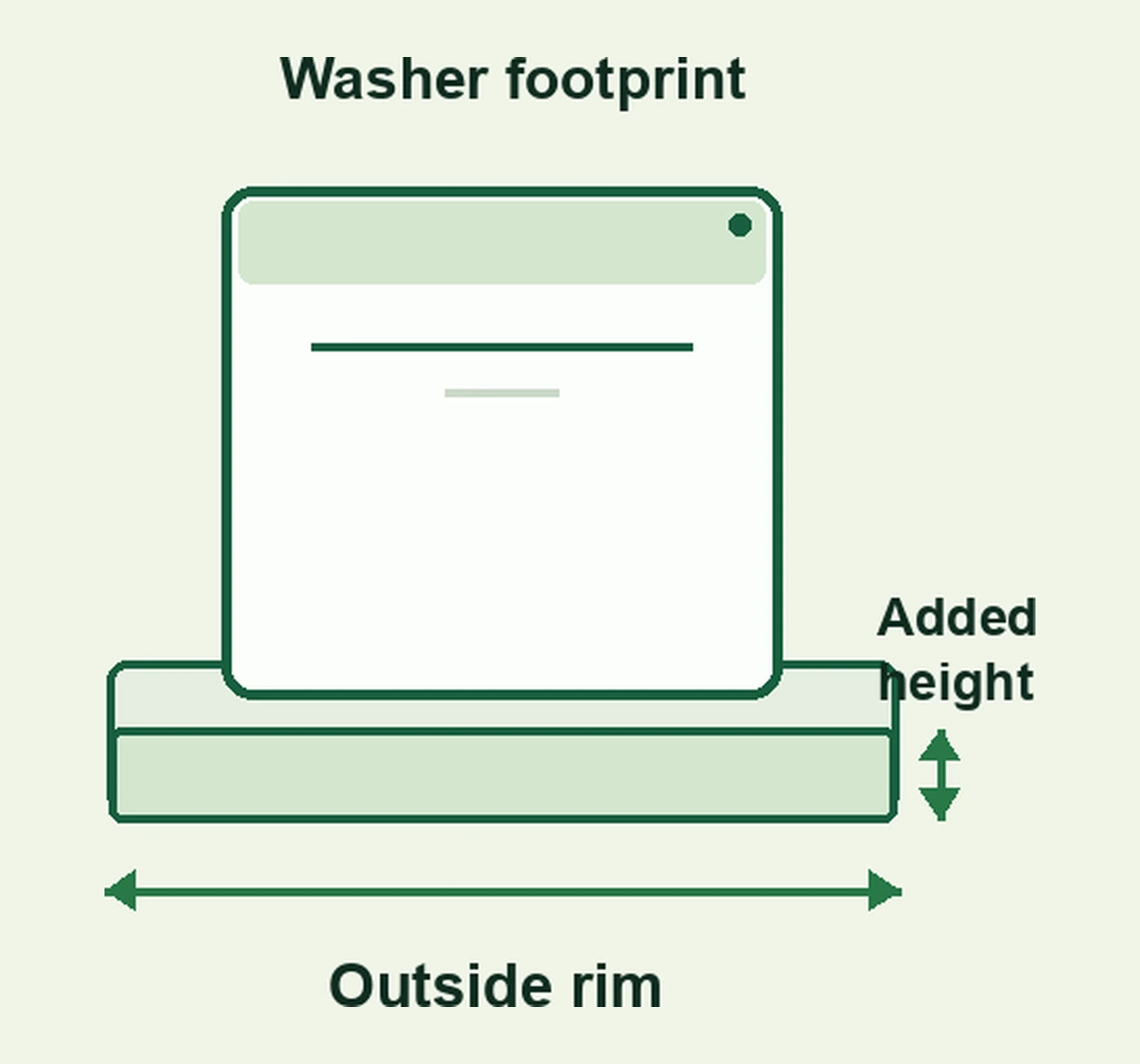
Ask property maintenance whether your apartment washer needs a drain pan and what type the building requires. Check whether the chosen washer fits entirely in the pan and whether the extra height affects the door or lid. Confirm who supplies and places it before the appliance is delivered.
| Check | What to verify |
|---|---|
Building rules | Ask maintenance what is required |
Pan footprint | Compare width, depth and height |
Handoff | Confirm who handles placement |
What Is a Washer Drain Pan and Why Might You Need One?
A washer drain pan is a rigid, waterproof tray installed directly under a washing machine. Its main purpose is to catch water leaks, drips, or accidental overflows that could otherwise damage floors or neighboring units. Most pans have a built-in fitting for a drain hose, which routes water to a nearby floor drain or another approved outlet.
Apartment buildings in Kansas City often require drain pans in upper-level laundry areas or anywhere a spill could cause water damage to units below. Concrete basements or laundry rooms with built-in drains may not require a pan, but many multi-story buildings do. Some insurance policies and city codes also encourage or require pans to reduce the risk of water claims.
If your apartment is not on the ground floor, or if the laundry area is not in a dedicated utility space with a floor drain, ask your property manager if a washer drain pan is required. Even if not required, a pan is sometimes a good idea for peace of mind in carpeted or finished spaces.
How Drain Pan Size and Thickness Affect Washer Fit
Use the pan’s outer width, depth, and height in your installed-space measurements. Check its interior dimensions against the washer base and the manufacturer’s placement instructions. A raised rim can affect whether a nearby door clears it.
Before renting a washer, get the exact dimensions of your laundry space. Measure the width, depth, and height from floor to any overhead shelf or cabinet. If you already have a pan, measure its inside length and width at the bottom, not just the top edges. Some pans taper inwards.
If a pan is required and not yet in place, ask your landlord about approved pan sizes. Some buildings provide and install pans that match their floor drains and space. Others leave this up to the tenant, but may specify allowed materials, thickness, or brands. Always confirm the washer model’s footprint with Robust Rentals before ordering, as their inventory may change.
A washer set too high on a thick pan may block cabinet doors or interfere with water valves behind the machine. If the pan is too small, water could spill over the edge during a leak. If it’s too large, it may not fit the laundry closet or could block the apartment door from closing.
Checklist: Measuring for a Washer Drain Pan
- Measure your laundry area’s width and depth at floor level.
- Check for baseboards, door trim, or other obstructions.
- Measure the height to any overhead shelf or cabinet.
- If a pan is already installed, measure its inside dimensions.
- Confirm with management if a specific pan size or brand is required.
- Ask Robust Rentals to provide the washer’s footprint and clearance needs.
Who Supplies and Installs the Drain Pan in an Apartment?
In most Kansas City apartments, the building owner or manager decides whether a washer drain pan is needed and who provides it. Some buildings supply and install pans as part of the laundry hookup. Others expect tenants to purchase their own pan and arrange for installation by a qualified plumber or maintenance technician.
Never attempt to install or modify plumbing yourself. If a pan must be connected to a floor drain or routed to another location, this work should be done by a professional. Some pans are “dry” (not plumbed), but many buildings require a pan with a drain fitting and hose.
Ask your landlord or building manager these questions before your washer delivery:
- Is a washer drain pan required in this unit or area?
- If so, is there already a pan installed? If not, who arranges installation?
- Does the pan need to be plumbed to a floor drain?
- Will the building maintenance team handle installation, or do I need to hire a plumber?
- Are there approved pan sizes, materials, or brands?
If you rent from Robust Rentals, let them know if a pan is in place and whether it is plumbed. They will need to confirm that the washer will fit and that delivery can proceed.
How to Ask About Drain Routing and Building Policies
Drain routing means how water from the pan will be directed away in case of a leak. In some apartments, the laundry area has a floor drain directly beneath the washer. In others, there may be no drain, or it may be several feet away.
Building policies vary widely. Some property managers require that any washer drain pan be plumbed with a flexible hose to the nearest drain. Others allow “dry” pans, which simply hold water until it can be cleaned up. Some older buildings do not have floor drains, making routing more difficult or even impossible.
When asking about routing, use plain questions such as:
- If a washer pan is required, where should the water drain to in case of a leak?
- Is there a floor drain under the washer? If not, where is the nearest drain?
- Does the building require a specific type of pan or drain connection?
- Who is responsible for inspecting and maintaining the drain pan and hose?
If you are not sure what to look for, walk through the laundry area with the manager or maintenance staff. Point out any visible drains, pipes, or obstacles. Take photos if needed. If you have the washer’s installation manual or can get it from Robust Rentals, bring it with you to show the footprint and clearance needed.
Some Kansas City apartments, especially in high-rise or mid-rise buildings, have strict rules about water appliances. They may prohibit installation if there is no approved drain route. Always get written approval before scheduling washer delivery.
Interaction Between Drain Pan, Washer, and Apartment Doors
A washer drain pan slightly raises the appliance above the floor. This can affect how the washer’s door opens (if front-loading), whether the machine fits beneath a shelf, and how far it stands out from the wall. In tight laundry closets, a thick or wide pan can prevent doors from closing or interfere with water shutoff valves behind the unit.
When choosing a washer drain pan for your apartment:
- Measure the clearances with the pan in place, not just the washer alone.
- Make sure the pan does not block the path of the laundry closet or main apartment door.
- If your washer is a front-loader, check that the door can swing fully open without hitting the closet frame or the opposite wall.
- If you have folding or sliding doors, ensure they can close without scraping the pan or washer edge.
Robust Rentals can help confirm the washer’s footprint and the space needed for door operation. Always provide accurate measurements and note any obstacles. If your apartment’s layout is especially tight, ask if a different washer model is available that better fits the footprint of your existing pan.
Example: Fitting a Washer Drain Pan in a Kansas City Apartment
Suppose your apartment laundry closet is 31 inches wide and 34 inches deep, with a bi-fold door. The floor is flat, with a 1-inch threshold at the entrance. There is a floor drain centered 16 inches from the back wall.
Your landlord requires a washer drain pan with a plumbed connection to the floor drain. You measure the inside dimensions of the closet and find that a 29-inch wide by 30-inch deep pan will fit with about 1 inch of clearance on each side. The pan is 2 inches tall. You confirm with Robust Rentals that the washer you want has a base footprint of 27 inches wide and 28 inches deep, so it will fit inside the pan.
You also check that the bi-fold door can close with the pan and washer in place. The door track is 1.5 inches above the floor, so the 2-inch pan will raise the washer slightly above the track. You confirm with building maintenance that the pan’s drain hose can be routed beneath the washer to the floor drain. This setup meets the building’s requirements and allows the washer door to open fully.
In this example, careful measurement and clear communication with both the building manager and Robust Rentals help avoid surprises on delivery day.
Steps for Renters: Washer Drain Pan Apartment Checklist
- Ask your landlord or property manager if a washer drain pan is required for your unit.
- Measure the laundry area and note any obstacles, doors, or shelves.
- If a pan is already present, measure its inside dimensions and check for a drain connection.
- If a pan must be added, ask who will install it and what size or type is approved.
- Confirm the washer’s footprint and clearance needs with Robust Rentals.
- Check that the pan and washer will not block doors or access to plumbing.
- Get written approval before scheduling washer delivery.
If you have any doubts about fit, routing, or requirements, request a walkthrough with maintenance or a professional installer. Never attempt to modify plumbing or install a drain pan yourself. Use a licensed plumber or your building’s maintenance team as required.
What If the Washer Drain Pan Doesn’t Fit or Isn’t Allowed?
Even with careful planning, you may find that your apartment laundry area doesn’t work with a standard washer drain pan. Some reasons this happens include:
- The washer footprint exceeds the pan’s interior size.
- The pan’s rim or lip is too tall, blocking the laundry closet door.
- There’s no floor drain or drain line for the pan to connect to.
- The building’s rules or lease specifically prohibit pans or modifications.
If you discover one of these issues, do not attempt to force a fit or modify plumbing yourself. Instead:
- Contact your property manager or maintenance supervisor. Ask if there are approved alternatives or if a different size/model of washer is required.
- If you’re working with Robust Rentals, provide the exact dimensions of your laundry area (including door swing space and any existing pan or drain). They can help confirm if a compatible washer is available.
- If a pan cannot be used, ask your building to clarify their water leak protection requirements. Some apartments may require a leak alarm, appliance mat, or proof of renters’ insurance covering water damage.
- Never install or remove any drain pan, drain line, or floor covering without written permission from the building.
Some apartments in Kansas City’s older buildings simply lack plumbing for a pan. In these cases, the management may insist that only professional installation is used, or may limit the size or type of washer allowed. If you’re renting, always keep written records of any permissions or restrictions to avoid confusion later.
Special Situations: Stackable Washers, Tight Spaces, and Shared Laundry
Stackable Washer/Dryer Setups
Stacked units may complicate pan installation. If the laundry closet is narrow or has a low ceiling, a standard drain pan might not fit under both machines, or the pan may interfere with stacking brackets. Some buildings allow only side-by-side installation with a pan, or require a low-profile pan designed for stackables. Ask about:
- Minimum clearance between the pan rim and any shelving or doors.
- Whether the pan can support the combined weight of both machines.
- If the pan’s drain can be routed without interfering with the dryer vent or electrical connections.
If you’re considering a stackable set from Robust Rentals, confirm with their team whether the selected models are compatible with your space and any required pan.
Very Tight Laundry Closets
Some Kansas City apartments, especially in older buildings, have laundry closets that barely fit a standard washer. Even a thin drain pan adds height and width, which may prevent the washer from sliding in or the door from closing. If the door won’t shut, you might not meet the lease requirements for appliance concealment or fire safety.
- Measure the opening and interior width, depth, and height of your laundry space, including the thickness of any existing flooring, trim, or thresholds.
- Ask your property manager if you can remove closet doors or use bi-folds/sliding doors for extra clearance.
- If there’s no way to fit both the washer and a pan, ask if a water alarm or absorbent mat is an allowed substitute.
- Never cut or shave a drain pan to fit unless your building’s written policy allows it and a qualified installer does the work.
Shared Laundry Rooms With Private Appliances
In rare cases, some Kansas City apartments offer a shared laundry room but let tenants install a personal washer. Building policy may require a drain pan to protect common areas from leaks. However, there may be strict rules about drain connections, access hours, or appliance removal at move-out.
- Double-check whether you are allowed a private washer in a shared space.
- If a pan is required, verify who is responsible for installation and removal. Some buildings charge a fee for these services.
- Make sure the pan’s drain routing does not block access for other residents or violate fire codes.
If you plan to use Robust Rentals in a shared laundry scenario, notify both the company and your property manager before delivery.
Worksheet: Measuring and Communicating for a Washer Drain Pan Apartment
Use this worksheet to organize your information and avoid surprises.
Step 1: Gather Laundry Area Details
- Width of laundry space (inches): ______
- Depth of laundry space (inches): ______
- Height from floor to any overhead shelf/ceiling (inches): ______
- Door type (swing, bifold, none): ______
- Door opening width (inches): ______
- Any steps up, thresholds, or floor transitions? (yes/no): ______
- Is there an existing pan? (yes/no): ______
- If yes, pan interior width x depth (inches): ______ x ______
- Pan rim/lip height (inches): ______
Step 2: Check for Drain Access
- Is there a visible floor drain or pan drain stub? (yes/no): ______
- Location of drain relative to washer space: ______
- Building rules for drain connection (written policy or manager’s notes): ______
Step 3: Ask Building Management
- Is a washer drain pan required, optional, or prohibited?: ______
- Who provides and installs the pan?: ______
- Are there approved vendors or installers?: ______
- What happens if the pan cannot fit?: ______
- Are alternative leak protections allowed?: ______
Step 4: Communicate With Your Washer Provider
- Provide all measurements and photos to Robust Rentals or your washer provider.
- Ask them to confirm which washer models are compatible with your space and the pan.
- Request written delivery, installation, and service terms.
Step 5: Final Check Before Scheduling Delivery
- Confirm with your property manager that all requirements are met.
- Schedule delivery with your washer provider.
- Keep all written approvals and agreements for your records.
Worked Example Fitting a Washer Drain Pan in a Kansas City Apartment
Scenario: Jordan is moving into a mid-rise apartment in Kansas City. The unit has a laundry closet with bi-fold doors. Jordan wants to rent a washer from Robust Rentals, but the building requires a drain pan under all washing machines.
Step 1: Measure the Space Jordan measures the closet:
- Interior width: 30 inches
- Interior depth: 32 inches
- Height to shelf: 72 inches
- Door width: 28 inches when open
- There is a small threshold at the entry
Step 2: Check for Drain Access Jordan finds a capped drain stub in the back right corner of the closet.
Step 3: Ask Building Management Jordan emails the manager and receives written confirmation:
- A washer drain pan is required
- Pan must be professionally installed
- Any pan must drain into the stub
- The pan cannot block the bi-fold doors
Step 4: Communicate With Washer Provider Jordan contacts Robust Rentals, providing all measurements and photos. Robust’s team checks their inventory and identifies two washer models that fit within the 30-inch width with a standard low-profile pan.
Step 5: Confirm and Schedule Jordan forwards the manager’s written approval and Robust’s fit confirmation. Delivery and installation are scheduled. The installer brings a code-compliant pan and connects it to the drain stub. The washer is set in place, and the bi-fold doors close easily.
Result: Jordan has a washer installed with a drain pan, meeting all building and provider requirements.
Washer Drain Pan Apartment: Real FAQs
Can I put a washer in my apartment without a drain pan?
Only if your building rules allow it. Many Kansas City apartments require a drain pan for water leak protection, especially in upper floors or wood-frame buildings. Always get written permission if you plan to skip the pan.
Who pays for the drain pan and installation?
This varies. Some buildings supply and install pans as part of maintenance. Others require the renter to pay for a pan and professional installation. Ask your property manager before scheduling washer delivery.
What if the washer or pan blocks my closet door?
You may need to look for a slimmer washer or a low-profile pan. Removing or changing doors may be possible with written building approval. Never cut or modify doors, trim, or pans without permission.
How do I know if my rented washer will fit in the pan?
Measure your space and pan interior carefully. Share these details with Robust Rentals or your washer provider. They can confirm if the washer model will fit the pan and still allow the door to close.
Can I install or move the drain pan myself?
No. Building rules and plumbing codes usually require professional installation for pans and drains. Never attempt DIY installation or removal. Use qualified help approved by your building.
Confirm Your Apartment’s Drain Pan Policy and Space
Before you rent or install a washer, contact your property manager to get the current written policy on washer drain pans, including any size, installation, or routing requirements. Measure your laundry area and any existing pan, then share this information with Robust Rentals or your washer provider. This will help ensure a smooth delivery, installation, and long-term use that meets both building rules and your needs.
Rental options and related guides
See current washer and dryer rental options
Measure the laundry closet and delivery route · Check apartment washer and dryer hookups
Sources and installation references
- GE Appliances guidance on model-specific dryer clearances
- GE Appliances washer floor tray information